

Periodontics in Temecula
Healthy gums are important for strong teeth and maintaining long-term oral health. When plaque and bacteria collects below the gumline, it can lead to inflammation that may progress into periodontal disease if not addressed. Early diagnosis and treatment may help protect the supporting tissues around the teeth and reduce the risk of tooth loss.
At Elevate Dental, we provide periodontics in Temecula through personalized treatment plans based on each individual's oral health, periodontal condition, and long-term goals. Every treatment plan begins with a detailed periodontal assessment. Dr. Jourdon Bean carefully evaluates your gum health, supporting bone, periodontal measurements, and overall oral condition before recommending a personalized treatment plan.<
What Is Periodontics?
Periodontics is a branch of dentistry that stresses on averting, identifying, and addressing concerns associated with the gums, the periodontal ligament, and the underlying bone that provides support to the teeth.
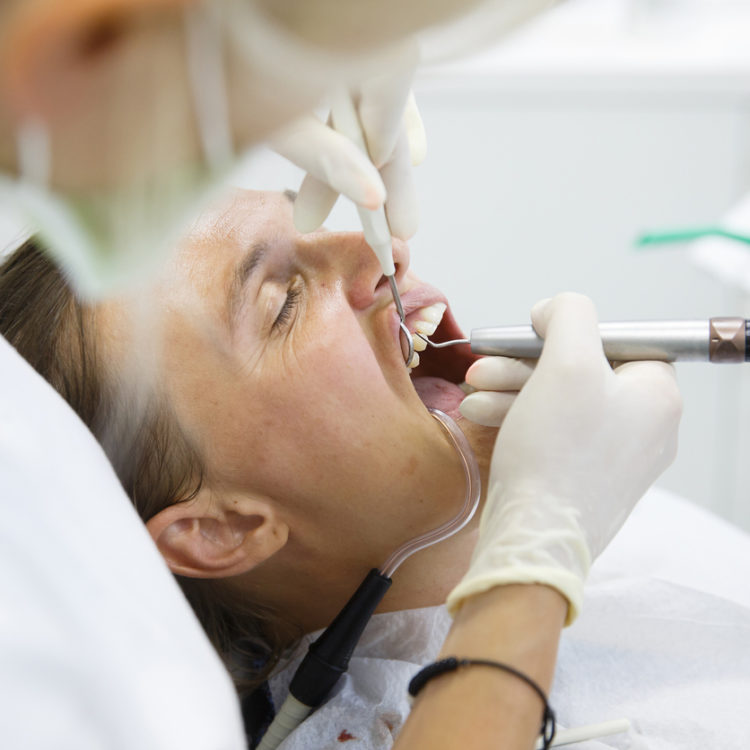
Healthy gums play a crucial role in keeping teeth stable and safeguarding the structures essential for normal chewing. If bacterial plaque lingers along or just below the gumline, it can lead to inflammation that progressively impacts these supporting tissues if professional intervention is postponed.
Patients seeking periodontal treatment in Temecula often require care that helps control infection, reduce inflammation, and support long-term periodontal health while preserving healthy teeth and surrounding tissues whenever clinically appropriate.
Understanding Periodontal Disease
Periodontal disease usually begins with gingivitis, the earliest stage of gum inflammation.
When plaque and calculus remain on the teeth, bacterial biofilm can irritate the surrounding gum tissue, causing redness, puffiness or swelling, and bleeding during brushing or flossing. Without treatment, inflammation may progress below the gumline, creating periodontal pockets where bacteria continue to accumulate.
As periodontitis advances, the supporting bone and connective tissues around the teeth may begin to deteriorate, increasing the likelihood of gum recession, tooth mobility, and eventual tooth loss. Early diagnosis allows treatment to begin before more extensive damage occurs, supporting periodontal disease prevention and long-term oral health.
Common Periodontal Conditions We Treat
Treatment suggestions depend on the severity of the condition, the health of the supporting tissues, and each patient's individual risk factors.
Gingivitis
This represents the initial phase of gum disease and is commonly characterized by inflamed gums that may appear red, swollen, or bleed during routine oral hygiene.
Professional gingivitis treatment combined with improved home care may help reverse inflammation before permanent damage develops.
Periodontitis
When inflammation progresses beyond the gums, bacteria may begin affecting the bone and connective tissues that support the teeth.
Patients with periodontitis may experience:
- Persistent bleeding gums
- Chronic bad breath
- Gum recession
- Deep periodontal pockets
- Loose teeth
- Changes in bite stability
Addressing periodontal disease early may help limit further damage and support the long-term health of the tissues that hold the teeth in place.
Gum Recession
As periodontal disease progresses, the gum tissue may gradually recede, exposing root surfaces that are normally protected.
Exposed roots may increase tooth sensitivity and make certain areas more susceptible to root surface decay. During your periodontal evaluation, the dental team will determine whether gum recession is associated with periodontal disease, brushing habits, bite forces, or other contributing factors.
Periodontal Treatments We Offer
Treatment recommendations are based on the stage of periodontal disease and each patient's overall oral health. Many patients respond well to non-surgical treatment, while others with more advanced disease may require additional periodontal procedures.
Scaling and Root Planing
For patients with periodontal pockets and bacterial buildup beneath the gums, scaling and root planing, often referred to as a deep cleaning, is commonly the first stage of treatment.
This procedure removes plaque, calculus, and bacterial deposits from above and below the gumline while smoothing the root surfaces to help reduce bacterial accumulation and support healing of the surrounding tissues.
Subgingival cleaning may also help reduce inflammation, encourage healthier attachment between the gums and tooth surfaces during healing, and support patients seeking periodontal therapy near them as part of a personalized treatment plan.
Periodontal Maintenance
Following active treatment, many patients benefit from periodontal maintenance in Temecula to help manage bacterial buildup and monitor gum health over time.
Maintenance visits typically include professional cleaning, periodontal charting, pocket depth measurements, and evaluation of the gum tissues to identify changes before they become more significant.
Localized Antibiotic Therapy
In some situations, localized antibiotic therapy may be recommended alongside mechanical cleaning procedures to help reduce bacterial activity within periodontal pockets.
Whether antibiotics are appropriate depends on the severity of periodontal disease and the clinical findings observed during your examination.
Surgical Periodontal Care
When advanced periodontal disease does not respond adequately to non-surgical treatment, procedures such as flap surgery may be recommended to improve access for removing bacterial deposits beneath the gums.
Treatment recommendations are always based on individual clinical findings, the amount of supporting bone present, and the long-term goal of preserving natural teeth whenever clinically appropriate.
Why Early Periodontal Care Matters
Periodontal disease often progresses gradually, and many patients notice few symptoms during its early stages. Addressing inflammation early may help reduce damage to the gums and supporting bone while preserving the natural teeth.
Professional gum disease treatment services may help:
- Reduce bacterial buildup beneath the gumline
- Control periodontal inflammation
- Improve gum health
- Preserve supporting bone and connective tissues
- Lower the risk of future tooth loss
Evidence indicates that gum disease may be associated with certain systemic health conditions. However, periodontal therapy is intended to improve gum health and manage periodontal disease rather than treat medical conditions elsewhere in the body. Early diagnosis, professional care, and consistent oral hygiene also play an important role in periodontal disease prevention and long-term gum health.
Your Periodontal Evaluation
Every treatment plan begins with a detailed periodontal assessment before treatment is recommended.
Your evaluation may include:
- Review of your medical and dental history
- Clinical examination of the gums
- Periodontal charting to measure pocket depths
- Evaluation of plaque and calculus accumulation
- Assessment of gingival inflammation
- Digital X-rays when clinically indicated
- Periodontal risk assessment based on your oral health findings
These findings help determine the stage of periodontal disease and identify the most appropriate treatment recommendations based on your individual needs.
Caring for Your Gums After Treatment
Successful periodontal therapy continues long after the initial procedure.
Patients are generally encouraged to:
- Brush twice daily using a soft-bristled toothbrush
- Clean between the teeth every day with floss or other recommended interdental aids
- Follow personalized oral hygiene instructions
- Attend scheduled periodontal maintenance appointments
- Avoid tobacco products, which may delay healing and increase the risk of disease progression
- Contact the dental office if swelling, bleeding, or discomfort persists after treatment
Long-term maintenance helps reduce bacterial accumulation, supports healthy periodontal tissues, and allows the dental team to monitor healing and detect changes as early as possible.
Maintaining Long-Term Periodontal Health
The frequency of periodontal maintenance varies according to each patient's oral health, history of periodontal disease, and individual risk factors.
Patients receiving advanced periodontal care often benefit from regular professional monitoring because periodontal disease can recur even after successful treatment. Individuals searching for periodontal therapy near me often benefit from ongoing maintenance visits that help control bacterial buildup and support long-term gum health.
Patients throughout Temecula Valley and nearby communities, including Murrieta, Winchester, Menifee, and Fallbrook, commonly seek periodontal care to help manage gum disease, maintain healthy supporting tissues, and protect their long-term oral health.
When patients visit a periodontist in Temecula, CA, the visit typically starts with a comprehensive periodontal evaluation to get a grasp of the health of their gums and identify the most appropriate treatment options.
Frequently Asked Questions
What distinguishes gingivitis from periodontitis?
Does periodontal treatment hurt?
How often should periodontal maintenance be scheduled?
When should I schedule a periodontal evaluation?
Schedule Your Periodontal Consultation
If you are worried about bleeding gums, gum recession, or any other indications of periodontal disease, getting a professional assessment can help identify the underlying issue and suggest suitable treatment alternatives.
During your visit, the dental team will evaluate your periodontal health, discuss your findings, explain available treatment options, and create an individualized care plan designed to support healthy gums and long-term oral health.