

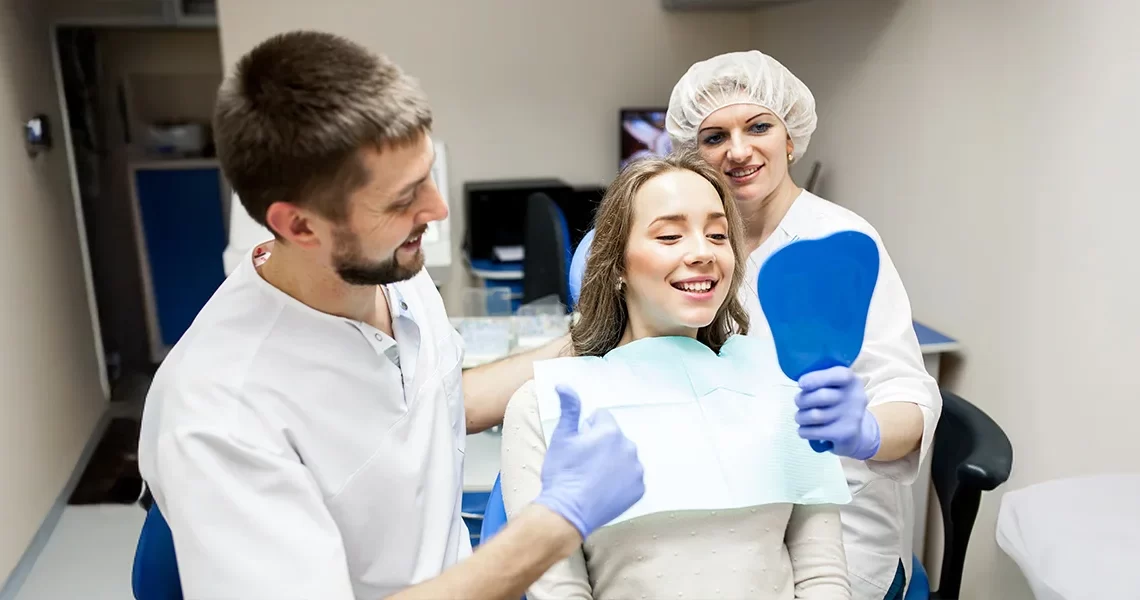
Sudden dental pain usually begins inside the pulp, where nerves and blood vessels react to bacteria, fracture, or trauma. Because this tissue is confined within rigid enamel and dentin, inflammation increases pressure and stimulates nerve endings. In a same day dental emergency, the clinical focus is to identify whether the pulp remains vital, is irreversibly inflamed, or has become necrotic. Swelling in the gum or cheek may signal that the infection has extended beyond the root into the surrounding bone. Early clinical intervention aims to limit bacterial spread and protect supporting structures.
What Constitutes a Dental Emergency? Understanding the Signs?
Constant throbbing discomfort often indicates pulpal inflammation that may not resolve without treatment. Sharp pain during chewing can suggest a crack extending through dentin toward the nerve. Localized swelling develops when inflammatory fluid accumulates within soft tissue or bone.
Bleeding that does not clot after trauma may reflect injury to the gingival tissue or disruption of the periodontal ligament. A loose adult tooth frequently indicates partial detachment of ligament fibers from the alveolar bone. Mobility grading, percussion testing, and radiographs help clarify the extent of structural compromise and guide stabilization decisions.
Facial swelling accompanied by fever or difficulty swallowing raises concern for infection extending into deeper spaces. In that situation, prompt care from a same day emergency dentist near you is medically appropriate to reduce the risk of further spread.
Common Causes of Dental Emergencies That Require Immediate Attention
Dental decay progresses gradually through enamel into dentin. Once bacteria reach the pulp chamber, toxins can exit the root tip and trigger bone resorption. The degree of bone involvement influences whether root canal therapy can preserve the tooth or whether extraction becomes more predictable.
Fractures may occur from excessive biting force, grinding, or direct injury. A superficial enamel fracture may not affect pulp health. Deeper cracks allow bacterial penetration and increase the risk of irreversible inflammation. Vertical root fractures often compromise structural stability and limit restorative options.
An abscess forms when bacterial accumulation at the root apex produces pus within bone. Pressure from this buildup restricts circulation and intensifies pain. Drainage relieves pressure and reduces bacterial concentration. Removal of infected pulp tissue further limits ongoing bone destruction.
Loss of a crown or filling exposes dentin tubules. Fluid movement within these tubules stimulates nerve fibers and creates temperature sensitivity. Covering exposed surfaces protects the pulp while vitality is monitored.
How Same-Day Emergency Dentistry Can Save Your Smile?
Timely intervention reduces the progression of infection and structural breakdown. When a tooth is avulsed, periodontal ligament cells on the root surface begin to deteriorate once the normal blood supply is interrupted. Repositioning the tooth and securing it with a flexible splint may support ligament repair, depending on extraoral time and storage conditions.
In cases of localized abscess, releasing accumulated pus decreases pressure within the bone and improves tissue circulation. Root canal treatment eliminates infected pulp and disinfects internal canal spaces to reduce bacterial presence. If the surrounding bone support is significantly compromised, extraction may provide a safer method of infection control.
Reinforcement of a cracked tooth with bonded material or full coverage restoration redistributes occlusal forces and helps prevent further propagation of the fracture. Follow-up visits allow observation of pulp response and bone healing.
What to Do When You Experience a Severe Toothache or Injury
Certain immediate steps may help protect tissue before examination:
- Apply a cold compress externally to manage swelling and slow the inflammatory response.
- Handle a displaced tooth by the crown to preserve ligament cells on the root.
- Store an avulsed tooth in milk if immediate reinsertion is not possible.
These measures support clot stability and reduce contamination but do not replace professional assessment. Radiographic imaging identifies root fractures, bone integrity, and signs of infection. Examination by a dentist in Temecula, CA, includes vitality testing, alignment inspection, and periodontal evaluation prior to selecting treatment.
The Importance of Timely Care in Preventing Long-Term Damage
Untreated pulpal infection can lead to progressive bone loss around the root apex. As bone resorbs, tooth stability declines, and restorative options become more limited. Early elimination of infected tissue reduces inflammatory destruction and supports natural healing.
Minor fractures addressed promptly are generally easier to manage than those exposed to repeated bite forces. Continued loading on an untreated crack increases the likelihood of pulp involvement and structural failure. Periodic reassessment helps detect delayed necrosis or persistent infection.
Treatment planning is based on infection severity, remaining bone support, patient health status, and anticipated healing capacity rather than fixed assumptions.
How Temecula’s Emergency Dentists Can Provide Fast and Effective Relief?
Emergency visits begin with a detailed examination and diagnostic imaging to clarify pulp condition and surrounding bone health. Thermal response testing, palpation, and mobility grading provide information about nerve vitality and ligament stability.
If irreversible pulp inflammation or necrosis is present, root canal therapy removes infected tissue and disinfects internal canals. Displaced teeth may be repositioned and temporarily splinted to maintain alignment during periodontal repair. Protective materials shield exposed dentin when restorations are lost.
Antibiotics are prescribed only when systemic signs indicate spreading infection. Analgesic recommendations are selected according to inflammation level and medical history.
Experiencing a Dental Emergency? Schedule Your Same-Day Appointment in Temecula, CA Today
Urgent dental conditions require careful evaluation of pulp vitality, structural integrity, and bone involvement before definitive treatment is chosen. Stabilization, internal disinfection, or extraction depends on the extent of infection and long-term prognosis.
At Elevate Dental in Temecula, emergency care follows a structured clinical approach that prioritizes infection control, preservation of supporting bone, and restoration of function when feasible.