

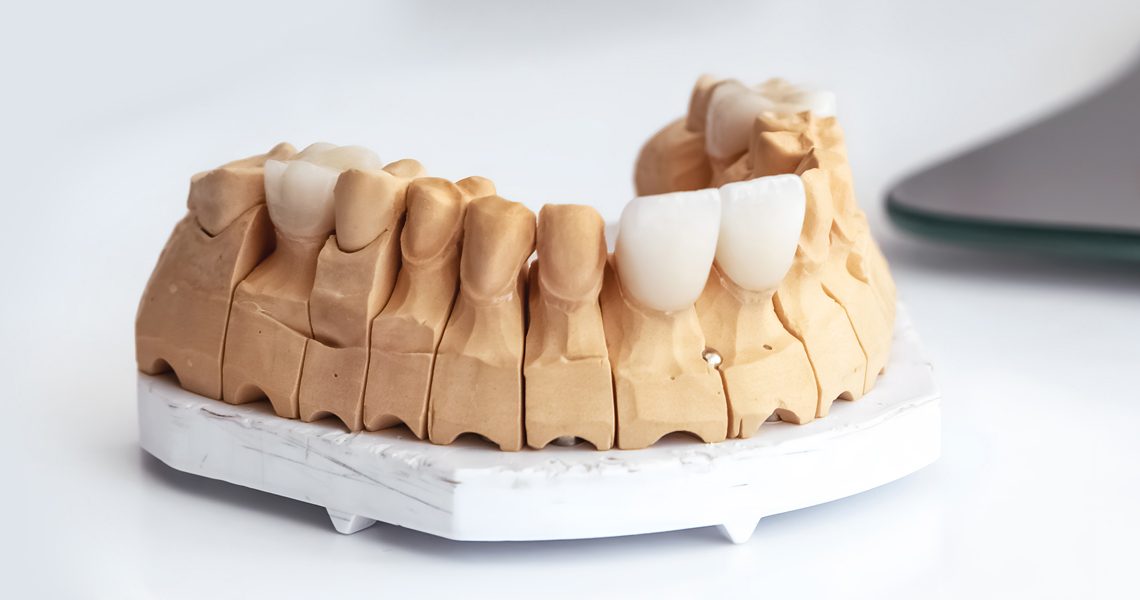
Stains, chips, small gaps, and uneven tooth contours are common reasons people consider cosmetic dental care. Dental veneers and laminates are custom restorations that can improve the color, shape, and symmetry of front teeth while preserving a natural aesthetic.
Veneers or laminates may be included in a smile makeover when several cosmetic concerns need to be addressed simultaneously. For patients searching for dental veneers in Temecula, CA, this consultation helps determine whether veneers, laminates, or another cosmetic solution is appropriate.
Whether you are exploring cosmetic dentistry for the first time or considering a broader smile design approach, understanding how veneers and laminates are planned and placed can help you make informed decisions during your consultation.
What Elevate Dental Looks for When Evaluating Candidacy for Veneers or Laminates in Temecula, CA
Healthy teeth and gums are important before considering veneer or laminate treatment.
During a consultation, your dentist may assess:
- Tooth discoloration
- Chips, cracks, or worn edges
- Small gaps between teeth
- Tooth shape and proportion
- Gum health
- Bite alignment
- Existing fillings, crowns, or restorations
- Signs of teeth grinding or clenching
- Available enamel structure
Patients with untreated decay, active gum disease, or significant bite concerns may require additional treatment before moving forward with veneers or laminates.
Because veneers and laminates involve modifications to natural tooth structure, a professional evaluation is an important first step before treatment begins.
How Veneers vs. Laminates Differ in Material, Tooth Preparation, and Aesthetic Outcome
The terms are sometimes used interchangeably, but selecting the right option requires evaluating the condition of the tooth, restoration design, and overall treatment objectives.
- Dental Veneers
Dental veneers are thin restorations bonded to the front surface of teeth. Depending on the treatment plan, they may be fabricated from porcelain, ceramic, or composite resin materials. Porcelain veneers are often selected for their durability and natural appearance.
- Dental Laminates
Dental laminates are also thin restorations designed to cover the front surface of teeth. In some situations, laminates may require less preparation than traditional veneers, although suitability depends on tooth position, enamel thickness, and cosmetic goals.
- Tooth Preparation
Some cases require enamel reshaping for veneers or limited enamel reduction to create room for the restoration. The amount of preparation varies based on the condition of the teeth and the final treatment design.
Veneers are custom-made coverings placed on the front surface of teeth. They may be used to address concerns such as chips, stains, gaps, and irregular tooth shape.
The Smile Design Process: Custom Shade, Shape, and Proportion Planning Based on Your Facial Features
Successful veneer treatment involves more than changing tooth color. Factors such as facial features, bite relationship, tooth proportions, and smile line all contribute to the final result.
During the smile design process, your dentist may evaluate:
- Tooth color
- Tooth length
- Width and proportion
- Gumline visibility
- Lip movement during smiling
- Facial symmetry
- Existing tooth alignment
- Relationship to surrounding teeth
Shade Selection
Shade matching for laminates and veneers is an important part of the planning process. The selected shade should blend naturally with surrounding teeth while supporting the desired aesthetic outcome.
- Shape and Contours
Tooth contours and overall shape are selected based on clinical considerations and the patient’s desired outcome.
- Size and Proportion
Appropriate tooth proportions help restorations integrate naturally with surrounding teeth and facial features.
Careful planning is an important part of quality tooth veneer services, helping ensure restorations complement surrounding teeth while supporting both function and aesthetics.
Step-by-Step: What Happens During Veneer or Laminate Preparation and Placement at Elevate Dental
The process may include preparing the teeth, placing temporary veneers, fitting the final restorations, and securely bonding them in place. The duration of treatment depends on factors such as case complexity and the number of veneers being placed.
- Step 1: Consultation and Evaluation
Your dentist examines your teeth and gums, reviews your concerns, and determines whether veneers or laminates are appropriate for your needs.
- Step 2: Tooth Preparation
If treatment proceeds, a small amount of enamel may be adjusted to help the restoration fit properly and align with adjacent teeth. Some patients experience temporary sensitivity after preparation or placement. Your dentist can recommend ways to manage mild discomfort while you adjust to the restorations.
- Step 3: Temporary Restorations
While the final veneers are being fabricated, temporary restorations may be provided to help protect prepared teeth and maintain daily function.
- Step 4: Final Fitting
Once the restorations are ready, your dentist evaluates the fit, shade, contours, and bite relationship before final placement.
- Step 5: Veneer Bonding Process
After the restorations are approved, they are bonded to the teeth using dental bonding materials. Careful placement and bonding help ensure the restoration fits comfortably and blends with adjacent teeth.
Real Confidence Boosters: How Addressing Stains, Gaps, and Uneven Teeth Can Affect Self-Image
Many people seek aesthetic dental care because visible dental concerns can affect how they perceive their smile in everyday interactions.
Veneers and laminates may be considered for:
- Tooth discoloration that does not respond adequately to whitening treatment
- Small spaces between front teeth
- Minor chips or worn edges
- Uneven tooth length
- Mild cosmetic tooth reshaping
- Teeth with irregular contours
Individual experiences vary, and cosmetic procedures cannot guarantee a specific emotional or personal outcome. However, many patients choose esthetic dentistry to address visible concerns that affect how they feel about their smile.
A consultation can help determine whether laminates, veneers, or another cosmetic option aligns with your dental condition and treatment objectives.
Caring for Your Veneers and Laminates After Placement for Long-Lasting Results and Stain Resistance
Veneers and laminates still require daily oral hygiene and routine professional care to maintain their condition and function.
After placement, your dentist may recommend:
- Brushing twice daily with fluoride toothpaste
- Flossing every day
- Attending routine dental exams and cleanings
- Avoiding hard objects such as ice, pens, or packaging
- Wearing a nightguard if teeth grinding is a concern
- Following all post-treatment instructions
Some patients experience temporary sensitivity after preparation or placement. Your dentist can discuss strategies to manage mild discomfort and ensure a comfortable adaptation to your new dental restorations.
Good home care and regular dental visits allow your dentist to monitor both the restorations and surrounding oral tissues over time.
Schedule a Cosmetic Consultation at Elevate Dental Temecula to Explore Your Personalized Smile Makeover
A consultation is the best way to determine whether veneers or laminates are appropriate for your situation.
Elevate Dental offers cosmetic and restorative treatment options that may help address concerns related to tooth color, shape, wear, and overall smile aesthetics. Recommendations are based on a thorough examination, discussion of your concerns, and evaluation of available treatment options.
Patients from Temecula and nearby communities, including Murrieta and French Valley, often schedule consultations to learn more about veneers, laminates, and other cosmetic dental procedures.
If you are considering dental veneers near you, choose a dental provider who evaluates your oral health and discusses appropriate treatment options before making a recommendation.
FAQs
Veneers and laminates are cosmetic restorations designed to improve the visible surfaces of front teeth, although materials and preparation requirements may vary depending on the treatment plan.
Factors such as tooth structure, facial characteristics, existing dental work, and desired outcomes help guide restoration design and treatment recommendations.
Some cases require limited enamel reduction to create space for the restoration and support a natural fit. The amount varies depending on tooth condition and treatment objectives.
Yes. Veneers may be considered when tooth discoloration does not respond adequately to whitening treatment. Your dentist can determine whether veneers or another option is more appropriate.
Brush and floss daily, attend regular dental visits, avoid biting hard objects, and follow any instructions provided by your dentist. If teeth grinding is a concern, a nightguard may be recommended.