

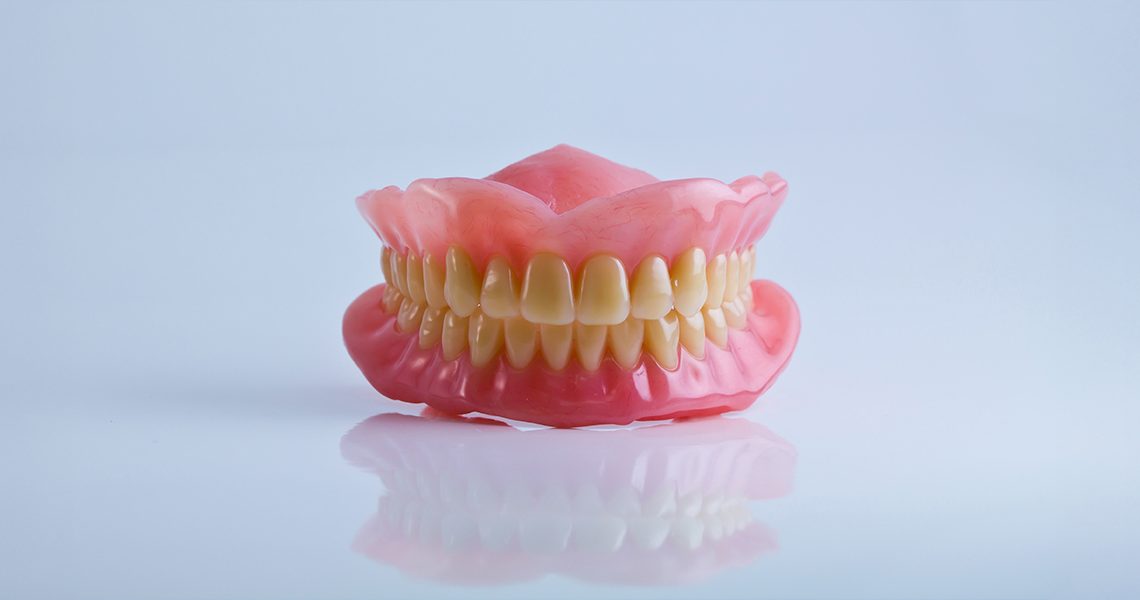
One of the biggest concerns people have before getting dentures is whether they’ll still sound like themselves. The good news is that any change in speech is usually temporary. As your mouth adapts to your dentures, speaking usually becomes more comfortable and natural with regular use. For most people, this happens gradually over the first few weeks.
Replacing missing teeth does more than improve your smile. It also restores the surfaces your tongue and lips use to form words, making clear speech easier as you adapt.
Why New Dentures May Affect Speech During the First Few Weeks
Speaking is something you rarely think about until the shape of your mouth changes. New dentures create a different surface for your tongue and lips so that certain sounds may feel unfamiliar at first.
This adjustment is completely normal and doesn’t mean there’s a problem with your dentures. Your mouth needs time to learn the new positions.
You may notice:
- A slight lisp with certain words
- Extra saliva during the first few days
- Slower speech while you gain confidence
- Some words feel harder to pronounce
Most people adjust within a few weeks. If your dentures continue to move while talking or never feel secure, your dentist may recommend a simple adjustment to improve the fit.
Common Words and Sounds That Feel Different With Dentures
Words containing S, F, V, and Th sounds often require the most practice because they depend on precise tongue and lip placement.
The easiest way to speed up the adjustment is to read aloud for 10 to 15 minutes each day. Speaking slowly also gives your mouth time to adapt, making conversations feel smoother with regular practice.
How Proper Denture Fit Helps Reduce Slipping While Talking
A secure fit plays a major role in clear speech. Dentures that move while talking can affect pronunciation and make conversations feel less comfortable.
Small adjustments are common after new dentures are placed because your gums naturally change shape as they heal. Improving the fit often makes speaking feel steadier and more confident.
Watch for signs that your dentures need attention:
- Clicking while speaking
- Movement during conversation
- Sore spots that don’t improve
- Dentures lifting when you laugh or yawn
If you’ve been searching for dentures near me, choose a provider who focuses on long-term fit as well as replacing missing teeth. Ongoing care can make the adjustment period much easier.
Why Partial Dentures May Feel Different Than Full Dentures
Both replace missing teeth, but they don’t feel the same.
Partial dentures work alongside your remaining natural teeth, which often makes them feel more stable from the beginning. Full dentures rest directly on the gums, so they may take a little longer to get used to.
Whichever option is right for you, patience and a well-fitting denture make the biggest difference. As your mouth adapts, speaking becomes more comfortable, and everyday conversations start to feel natural again.
How Modern Dentures Support Chewing, Facial Shape, and Speech
Today’s dentures are designed to do much more than replace missing teeth. A well-made dental prosthesis helps restore everyday activities that often become difficult after tooth loss, including eating comfortably and speaking with greater confidence.
Replacing missing teeth also supports your lips and cheeks, helping maintain facial shape. While dentures can’t prevent all of the natural changes that occur after tooth loss, they can restore balance and improve day-to-day function.
When Implant-Supported Dentures May Offer Better Stability
For some people, traditional removable dentures provide all the support they need. Others may benefit from implant-supported dentures, which attach to dental implants for added stability.
Because they move less during eating and conversation, implant-supported dentures may make speaking feel more natural for some patients. Whether they’re the right choice depends on factors such as your oral health, bone support, and personal goals.
Following a detailed examination, your dentist will discuss the tooth replacement options that are most appropriate for your individual situation.
Tips to Practice Speaking More Clearly With New Dentures
Most patients need an adjustment period when they first receive dentures, but a few easy habits can make the process smoother.
- Read aloud for 10 to 15 minutes each day.
- Practice words that contain S, F, V, and Th sounds.
- Speak a little slower until pronunciation feels natural.
- Wear your dentures as directed by your dentist.
- Schedule follow-up visits if they feel loose or uncomfortable.
Consistent practice is usually more effective than trying to correct every word. As your muscles adapt, speaking becomes easier without conscious effort.
How Elevate Dental Helps Patients Choose the Right Tooth Replacement Option
At Elevate Dental, every patient receives a comprehensive evaluation before treatment is recommended. Your dentist considers the number of missing teeth, your oral health, lifestyle, and long-term goals before discussing suitable restorative options. Whether you need partial dentures, full dentures, or another form of tooth replacement, the focus is on restoring function, comfort, and confidence with a personalized approach.
If you’re considering dentures in Temecula, CA, taking time to understand your options can help you choose a solution that feels comfortable today and continues to serve you well in the years ahead.
Frequently Asked Questions
Final Thoughts
Learning to speak with dentures is a process, but it doesn’t take long for most people to regain confidence. A well-fitting denture, regular follow-up care, and a little daily practice can make conversations feel natural again while improving comfort during meals and everyday activities.
If you’re exploring your options for replacing missing teeth, the team at Elevate Dental is here to help you find a solution that fits your smile, your lifestyle, and your long-term oral health goals through personalized restorative dental care.